
Haiku Deck Superstar
1 Haiku Deck

Why You Should Hire Fire Watch Guards: Their Role in Preventing Workplace Fire Emergencies
1 Slide
Business
The Hidden Risks of Workplace Fires
Workplace fire emergencies often begin during routine operations that carry more risk than they appear to at first glance. Welding, cutting, grinding, industrial maintenance, construction work, and high-rise repairs can all create conditions that require closer oversight, especially when a fire alarm is offline or a sprinkler system is impaired. In these moments, businesses need more than standard supervision. They need trained personnel who can monitor hazard areas, support hot work safety, document patrols, and help maintain compliance while normal fire protection is limited or temporarily out of service.
When urgent coverage is needed, Fire Watch Guards Near Me is often one of the local phrases businesses use to find qualified support close to the site. Property managers, contractors, and facility operators are usually looking for dependable help that can reduce risk, provide emergency coverage, and keep operations moving safely during outages or other high-risk activity. This article explains why fire watch coverage matters, what the role involves, and how it helps prevent workplace fire emergencies before they disrupt people, property, and daily operations.
What is a Fire Watch Guard?
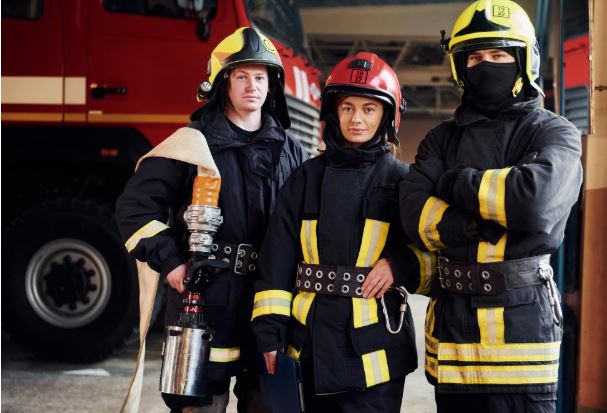
A fire watch guard is a trained individual responsible for monitoring high-risk areas and preventing fires during hot work activities such as welding, grinding, and cutting, or when fire protection systems are temporarily unavailable. Their role is to ensure that sparks, molten materials, or overheating equipment don’t ignite nearby flammable materials, which can lead to dangerous fires.
Fire watch guards are not just passive observers—they actively scan the area for risks, respond to incidents, and ensure that fire safety protocols are being followed. By providing real-time vigilance, fire watch guards help mitigate fire risks, especially in high-heat environments where accidents can escalate quickly.
When are Fire Watch Guards Required?
There are specific scenarios where the presence of fire watch guards is not just beneficial but mandatory. Regulatory bodies like OSHA (Occupational Safety and Health Administration) and NFPA (National Fire Protection Association) have set standards that require fire watch services in certain situations.
1. Hot Work Activities
One of the most common situations where fire watch guards are required is during hot work operations. These activities—such as welding, cutting, grinding, and soldering—pose a significant fire risk due to the sparks, molten metal, and intense heat generated. According to OSHA standards, fire watch guards must be present whenever these activities occur in areas where flammable materials are nearby. This requirement is crucial for preventing fires before they can escalate and cause damage to people and property.
2. Fire Protection System Failures
Fire protection systems, such as sprinklers or alarms, are vital for quickly detecting and suppressing fires. However, there are times when these systems may be temporarily disabled, such as during maintenance, testing, or system upgrades. During such periods, fire watch guards are essential to ensure that fire risks are continuously monitored, and appropriate measures are taken to prevent fires from igniting.
3. High-Risk Environments with Combustible Materials
Certain industries—such as chemical processing, oil refining, and construction—handle flammable materials or operate in environments where fire risks are particularly high. In these cases, fire watch guards are necessary not just during hot work but also as part of the ongoing fire safety plan. They monitor work areas for potential fire hazards and ensure that safety protocols are followed at all times.
Responsibilities of Fire Watch Guards
Fire watch guards have a wide range of responsibilities that go beyond simply observing. They are actively involved in fire prevention, mitigation, and response. Here are the key duties of fire watch guards:
1. Monitoring and Identifying Fire Hazards
The first responsibility of fire watch guards is to monitor the worksite for any signs of fire risks. This includes checking for sparks, overheated machinery, faulty wiring, or improperly stored combustible materials. Fire watch guards are trained to spot fire hazards early, ensuring that risks are identified and addressed before they become dangerous.
2. Ensuring Fire Safety Compliance
In addition to monitoring for fire risks, fire watch guards ensure that all fire safety compliance requirements are being met. This includes verifying that fire extinguishers are accessible, fire exits are unobstructed, and that employees are wearing the appropriate PPE (Personal Protective Equipment). Guards also make sure that safe work practices are followed, such as proper disposal of waste materials and proper ventilation in hot work areas.
3. Immediate Response to Fires
In the event of a fire, fire watch guards are the first line of defense. Equipped with fire extinguishers or other firefighting tools, they are trained to act quickly to suppress small fires before they spread. If the fire grows beyond what can be managed, fire watch guards will immediately alert emergency responders, providing critical information to help contain the fire.
4. Post-Incident Documentation
Fire watch guards are also responsible for documenting their activities and any incidents that occur during their shift. This documentation includes: - Logs of fire hazard checks - Actions taken to mitigate risks - Incident reports if a fire occurs
Compliance checks with fire safety protocols
This record-keeping serves multiple purposes, from compliance audits to insurance claims, and ensures that all fire safety activities are properly logged.
What Happens If Fire Watch Guards Aren’t Present?
The absence of fire watch guards can have disastrous consequences. Without proper monitoring and intervention, small fire risks can escalate into major disasters. Let’s take a look at some of the potential risks associated with not having fire watch services:
1. Increased Risk of Fire Escalation
Without fire watch guards, small sparks, overheating equipment, or combustible materials may go unnoticed. A seemingly insignificant incident, like a spark from welding landing on flammable material, could quickly grow into a large fire. The proactive monitoring provided by fire watch guards helps prevent fires before they spread.
2. Financial Losses and Property Damage
Fires cause significant damage to buildings, equipment, and inventory. The cost of repairs, replacements, and insurance claims can quickly add up. Moreover, operational downtime caused by a fire can delay projects and disrupt business activities, leading to further financial losses.
3. Legal and Regulatory Consequences
Failure to comply with OSHA, NFPA, or local fire marshal regulations can result in hefty fines, legal penalties, and even project shutdowns. Not having fire watch guards during hot work or in high-risk environments can leave your business open to significant legal and financial repercussions.
4. Threat to Employee Safety
The most critical consequence of not having fire watch guards is the risk to human life. Without quick intervention from trained personnel, a fire can escalate and put workers at significant risk of injury or even death. Fire watch guards ensure the safety of all personnel by responding quickly and initiating evacuations when necessary.
How to Choose a Fire Watch Guard Provider
When it comes to hiring a fire watch service, there are a few key factors to consider to ensure you get the best protection for your business:
1. Experience and Industry Expertise
Fire watch guards should have experience in your specific industry. Whether it’s construction, manufacturing, or chemical processing, an experienced provider will understand the unique fire risks associated with your worksite and provide tailored fire watch services to mitigate those risks effectively.
2. Certification and Training
Ensure that fire watch guards are properly certified and trained in fire safety and emergency response. Guards should undergo training in fire prevention, firefighting techniques, and hazard detection, ensuring they are prepared to handle any situation that may arise.
3. Availability and Flexibility
Fire watch guards should be available on a 24/7 basis, especially if your business operates outside of standard hours or in multiple shifts. Choose a provider that offers round-the-clock services to ensure that fire risks are always monitored, regardless of when your operations occur.
4. Reputation and Reliability
A reputable fire watch provider will have a proven track record of delivering reliable, high-quality services. Look for reviews, ask for references, and ensure that the provider has a solid history of maintaining fire safety on job sites similar to yours.
You can easily find trusted providers by searching for Fire Watch Guards Near Me to connect with experts in your area.
The Bottom Line: Fire Watch Guards Are an Essential Safety Investment
Fire watch guards are an indispensable part of any construction site or high-risk workplace. Their proactive role in monitoring fire risks, responding quickly to emergencies, and ensuring compliance with fire safety regulations significantly reduces the chances of fire outbreaks.
By hiring professional fire watch services, businesses not only comply with legal requirements but also protect their employees, property, and operations from the devastating consequences of fire. When fire risks are high, having trained fire watch guards in place is a small investment that can save your business from catastrophic losses.
Don’t leave the safety of your workers and assets to chance. By choosing the right provider, you can ensure that your workplace remains secure and compliant with fire safety standards. Fire watch guards are the ultimate peace of mind in high-risk environments, keeping your business safe from the unpredictable threat of fire.