
Isabella Thompson
Isabella, a seasoned writer blending creativity with meticulous research.
1 Haiku Deck
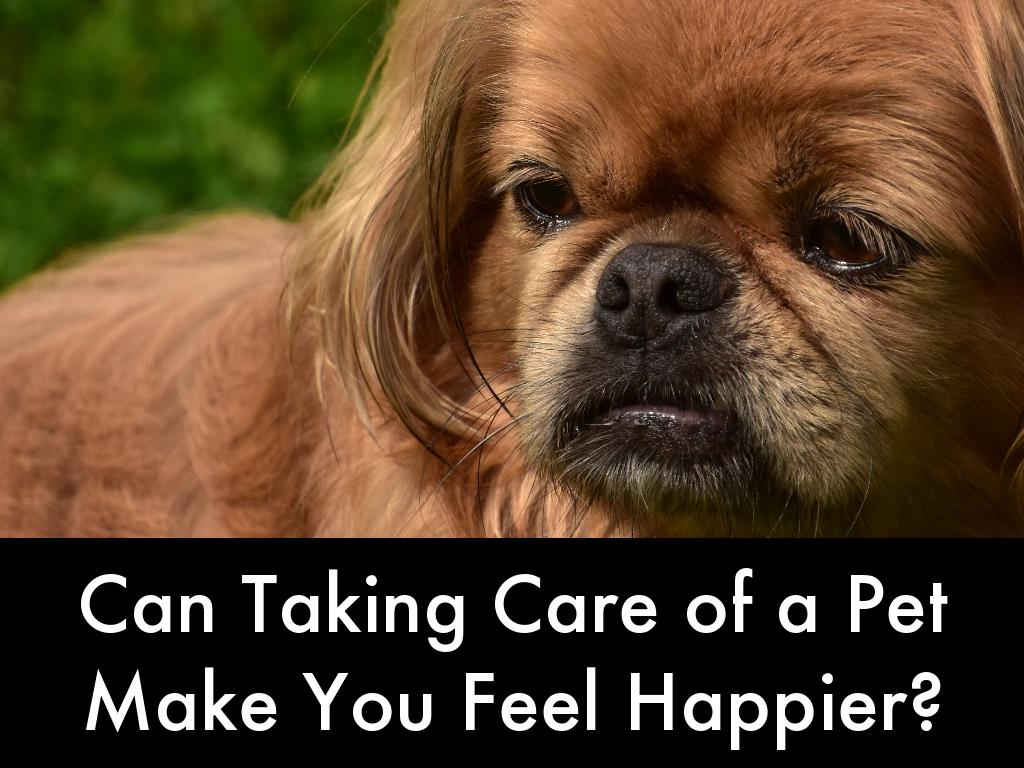
Can Taking Care of a Pet Make You Feel Happier?
1 Slide46 Views2 Haifives
Taking care of a pet is more than just a daily responsibility—it becomes a relationship rooted in trust, affection, and consistency. Multiple studies confirm that interaction with pets can:
- Lower cortisol (stress hormone) levels
- Increase serotonin and dopamine (mood boosters)
- Reduce symptoms of anxiety and depression
- Improve feelings of loneliness
But how? Let's explore deeper.
🗓️ 1. Routine Creates Purpose
Having to feed, groom, and exercise a pet on a regular basis creates daily structure—something especially helpful for individuals with depression, anxiety, or ADHD. That predictability gives a sense of control, stability, and purpose.
Example: Waking up to walk your American English Coonhound at 7:30 AM each day gives you a reason to get out of bed and start your day on a positive, active note.
❤️ 2. Bonding Reduces Loneliness
The emotional bond you share with a pet isn’t superficial. The companionship is real, and for many, it fills the void of social isolation.
Example: Elderly individuals with cats or birds report lower feelings of loneliness due to the emotional interaction they get through petting, talking, or simply being around them.
🧩 3. Responsibility Builds Self-Worth
Caring for another living being—especially when it depends on you—reinforces your value and capability.
Example: A person with PTSD may feel more grounded when they are responsible for their ESA dog’s grooming and medical check-ups, knowing their actions directly impact their pet’s well-being.
🐶 Emotional Benefits of Pet Ownership: Everyday Pets
Even without the legal designation of an Emotional Support Animal (ESA), everyday pets can positively impact your emotional state.
🐕 Dogs
Breeds like Golden Retrievers, Labradors, and Poodles are known for their affectionate nature. Their need for exercise and interaction fosters physical activity and connection.
🐈 Cats
Cats like Ragdolls or Scottish Folds are often chosen for their gentle and calm demeanor. Their purring has even been linked to reduced stress levels.
🐹 Hamsters and Small Mammals
Golden hamsters, guinea pigs, and rabbits are excellent for those with space constraints. They're easy to manage, require gentle care, and provide consistent companionship.
🐦 Birds
Birds like parakeets or cockatiels are sociable and often respond to verbal cues. Their routines (feeding, cage cleaning, social time) offer emotional grounding.
🐾 Emotional Support Animals (ESAs): More Than Just Pets
Emotional Support Animals are prescribed by licensed mental health professionals to support individuals with anxiety, PTSD, depression, and more. They are different from service animals and offer non-task-based emotional support.
To legally qualify, individuals must obtain an ESA letter — a document that confirms their need for such support. This letter can often help them live in "no pets" housing or fly with their ESA on some airlines.
🧘♀️ Emotional Impact of Caring for an ESA
The relationship with an ESA runs deeper due to the psychological support they provide. These animals are often trained (even informally) to:
- Recognize panic or anxiety symptoms
- Offer tactile distraction (e.g., nuzzling during anxiety attacks)
- Encourage movement, like walking or grooming
- Reinforce feelings of safety and trust
🧬 Final Thought
Whether you’re caring for a rescue cat or managing the daily routine of your ESA dog, the process of caregiving can fundamentally enhance your mental health. The companionship, structure, and sense of purpose that pets bring are therapeutic in the truest sense.
❓ Frequently Asked Questions (FAQs)
Q1: Can any pet become an emotional support animal (ESA)?
A: Yes, almost any domesticated animal—including dogs, cats, rabbits, birds, and even reptiles—can become an ESA as long as a licensed mental health professional deems it helpful for your condition and provides an ESA letter.
Q2: What’s the difference between a normal pet and an emotional support animal?
A: A normal pet provides companionship but doesn’t have legal protections. An ESA, with a valid emotional support animal letter, has certain housing rights (like living in “no pet” apartments) and may be allowed in some other settings where pets are restricted.
Q3: How do I qualify for an ESA letter?
A: You need to speak with a licensed mental health professional who can assess your condition. If they determine that an ESA would benefit your emotional or mental health, they can issue an ESA letter.
Q4: Does taking care of a pet really improve mental health?
A: Absolutely. Caring for a pet fosters routine, responsibility, physical activity, and emotional bonding—all of which are linked to better mental well-being according to health resources.
Q5: Are golden hamsters good emotional pets?
A: Yes! Golden hamsters are quiet, low-maintenance, and can form bonds with their owners through handling and care. They’re especially ideal for people in smaller living spaces looking for gentle companionship.