
Haiku Deck Superstar
1 Haiku Deck
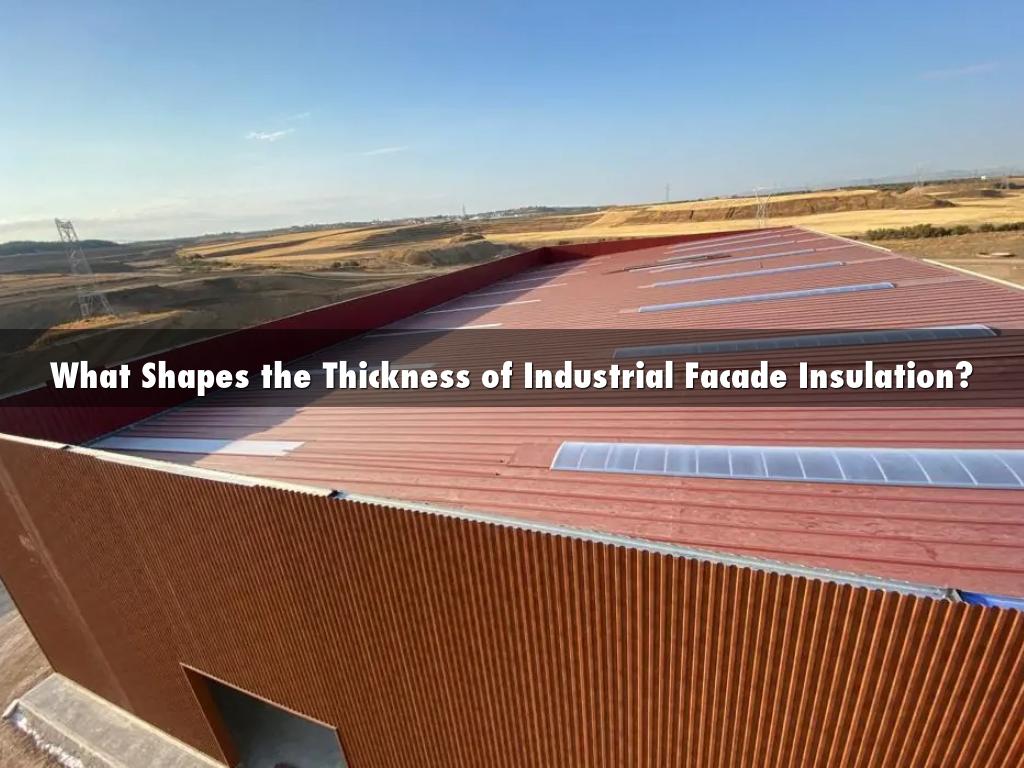
What Shapes the Thickness of Industrial Facade Insulation?
1 Slide1 View
Business
The thickness of facade insulation is never chosen randomly but shaped by precise factors. These considerations balance energy efficiency, durability, and environmental demands. Choosing the right thickness can affect operating costs and structural longevity. Experts treat it like a calculated science rather than a simple material choice. Understanding what determines this thickness reveals a story of engineering precision and environmental awareness.
The Climate’s Unseen Influence
Climate dictates how thick the insulation needs to be for consistent indoor conditions. In colder regions, thicker insulation retains warmth and prevents excessive heating demands. Hotter climates require insulation that reduces heat penetration and keeps interiors cooler. Local humidity levels can also influence insulation thickness decisions. Moisture resistance becomes essential in regions prone to heavy rainfall or condensation. These conditions together create a blueprint for the insulation’s final dimension.
Energy Codes Behind the Decision
Regulatory building codes often set minimum requirements for insulation performance and thickness. These rules ensure energy conservation across industrial facilities in specific regions. Engineers must align their designs with these standards to meet legal compliance. Some areas have stricter codes due to sustainability policies and environmental goals. Failure to meet these rules can delay construction and increase costs. The final insulation thickness often mirrors these regulatory benchmarks precisely.
The Structural Design
The building’s shape and structure influence how insulation is installed and measured. Taller industrial buildings may require different insulation approaches compared to smaller facilities. Large wall surfaces can experience higher heat loss without adequate thickness. Architects collaborate with engineers to ensure insulation works with the building’s frame. Weight distribution and wall strength are also considered when selecting materials. This structural harmony ensures both stability and energy efficiency.
Material Efficiency and Technology
Not all insulation materials provide the same performance at equal thickness. Modern high-density panels can achieve better results with thinner layers. Traditional materials may require extra thickness to match the same insulation value. Technological advances have introduced reflective and multi-layer designs with improved efficiency. The choice of material determines how thick or thin the insulation can be. In some projects, specialized solutions like aislamiento fachadas industriales Valencia provide tailored results.
Economic and Long-Term Planning
Cost plays a vital role when determining insulation thickness for industrial projects. Thicker insulation often increases upfront expenses but can lower long-term energy bills. Investors evaluate return on investment before finalizing specifications. Industries planning decades of operation often favor more substantial insulation. Shorter-term facilities may opt for moderate thickness to reduce immediate spending. Balancing initial cost and lifetime savings becomes a strategic decision in construction planning.
Conclusion
The thickness of industrial facade insulation is a result of climate, regulation, design, material, and economics working together. Each factor contributes to a carefully balanced decision aimed at efficiency and sustainability. By understanding these influences, one can appreciate the precision behind every insulation layer. This choice goes beyond simple construction and becomes a calculated investment in industrial performance.