
Haiku Deck Superstar
1 Haiku Deck

Where Can You Dispose of Asbestos and Other Hazardous Materials?
1 Slide3 Views
Business
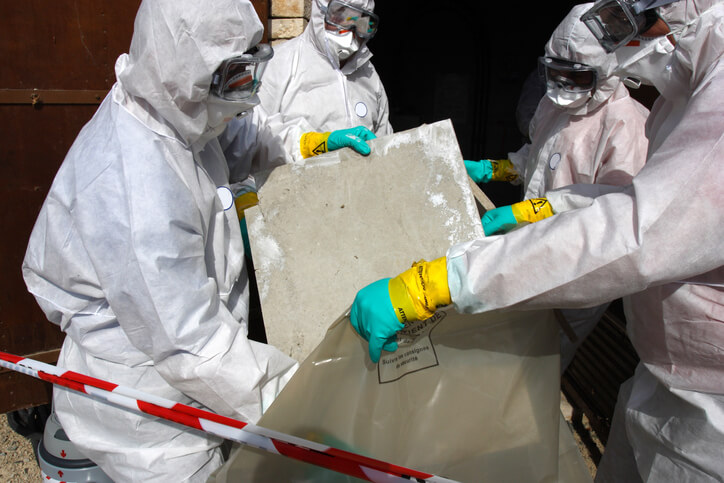
Proper disposal of hazardous materials, such as asbestos, is crucial for protecting human health and the environment. According to the Environmental Protection Agency, approximately 1.3 million employees in construction and general industry face significant asbestos exposure on the job. If you’re looking for asbestos disposal in Denver, continue reading to learn how you can get rid of this toxic substance.
About Asbestos
Hazardous materials, including asbestos, require special handling and disposal methods to prevent potential harm. Improper disposal can lead to environmental contamination, health risks, and legal consequences. In this article, we will explore various options for disposing of asbestos and other hazardous materials safely and responsibly.
1. Asbestos Disposal
Understanding Asbestos
Asbestos is a naturally occurring fibrous mineral that was widely used in construction materials due to its heat-resistant and insulating properties. However, exposure to asbestos fibers can cause serious health issues, such as lung cancer, mesothelioma, and asbestosis. As a result, strict regulations govern the handling and disposal of asbestos-containing materials.
Approved Disposal Facilities
The disposal of asbestos-containing materials must be done at approved facilities specifically designed to handle hazardous waste. These facilities follow strict guidelines and protocols to ensure the safe containment and disposal of asbestos.
Landfills
Certain landfills are equipped to accept asbestos waste. These landfills have designated areas for asbestos disposal and employ specialized procedures to prevent the release of asbestos fibers into the environment.
Incinerators
Some hazardous waste incinerators are designed to handle asbestos-containing materials. These facilities use high-temperature combustion processes to destroy the asbestos fibers, reducing the risk of exposure.
2. Household Hazardous Waste Disposal
Common Household Hazardous Wastes
Households often contain various hazardous materials, such as paints, solvents, pesticides, and cleaning products. Improper disposal of these materials can contaminate soil and water sources, posing risks to human health and the environment.
Local Household Hazardous Waste Collection Programs
Many municipalities and counties offer household hazardous waste collection programs. These programs provide residents with a safe and convenient way to dispose of hazardous materials, including asbestos-containing materials from small-scale home renovations or repairs.
3. Industrial and Commercial Hazardous Waste Disposal
Types of Industrial and Commercial Hazardous Wastes
Industrial and commercial operations often generate a wide range of hazardous wastes, including chemicals, solvents, oils, and other toxic substances. Proper disposal of these materials is essential to prevent environmental contamination and protect worker safety.
Licensed Hazardous Waste Disposal Companies
Businesses and industries are required to work with licensed hazardous waste disposal companies to ensure the safe and compliant handling and disposal of their hazardous materials. These companies have the necessary expertise, equipment, and facilities to manage various types of hazardous wastes, including asbestos-containing materials.
4. Regulations and Compliance
Federal and State Regulations
The disposal of hazardous materials, including asbestos, is regulated by federal and state laws. These regulations outline specific requirements for handling, transporting, and disposing of hazardous wastes to protect public health and the environment.
Permits and Documentation
Depending on the type and quantity of hazardous materials being disposed of, permits and documentation may be required. Failure to comply with these regulations can result in significant fines and legal penalties.
Training and Certification
Individuals and companies involved in the handling and disposal of hazardous materials, including asbestos, must undergo specialized training and obtain necessary certifications. This ensures that proper safety protocols and procedures are followed throughout the disposal process.
5. Environmental Considerations
Reducing Hazardous Waste Generation
While proper disposal is essential, it is also crucial to minimize the generation of hazardous waste whenever possible. This can be achieved through the implementation of waste reduction strategies, such as using alternative, less hazardous materials, and implementing recycling and reuse programs.
Sustainable Disposal Practices
Some disposal facilities and companies are exploring more sustainable and environmentally friendly methods for handling hazardous materials. These practices may include advanced treatment technologies, waste-to-energy processes, or the development of new recycling and recovery techniques.
Final Thoughts
Proper disposal of asbestos and other hazardous materials is a critical responsibility for individuals, businesses, and industries. By utilizing approved disposal facilities, following regulations and guidelines, and working with licensed hazardous waste disposal companies, we can ensure the safe and responsible management of these materials. Additionally, implementing waste reduction strategies and exploring sustainable disposal practices can further minimize the environmental impact of hazardous waste. By taking these steps, we can protect human health, preserve the environment, and promote a safer and more sustainable future.