
Haiku Deck Superstar
1 Haiku Deck
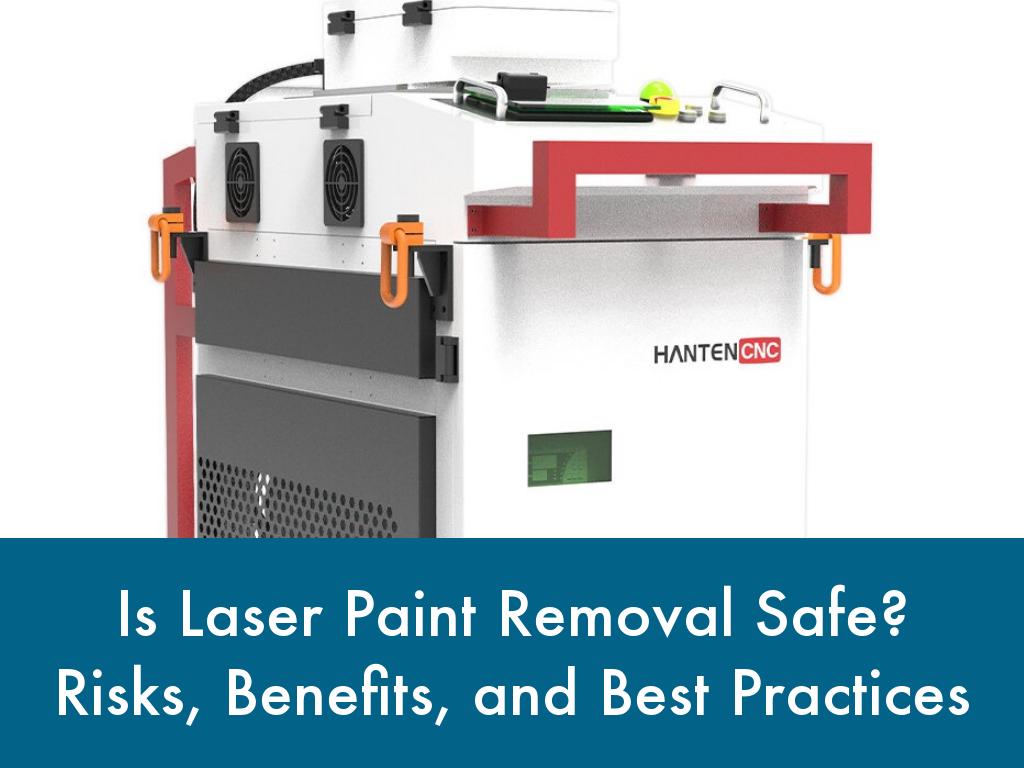
Is Laser Paint Removal Safe? Risks, Benefits, and Best Practices
1 Slide2 Views
Business
Paint protects many products. It improves appearance, reduces wear, and helps prevent rust or surface damage. But paint does not last forever. Old coatings may peel, crack, or lose color. In many cases, the surface must be cleaned before repair, repainting, or restoration.
That is why many people now ask a simple question: is laser paint removal safe?
In many industrial and repair jobs, the answer is yes. Laser paint removal can be a safe and effective paint removal method when it is used the right way. It is often cleaner than sanding and avoids the harsh liquids used in chemical stripping. It can also reduce direct contact with the surface. This helps lower the risk of scratches and surface damage.
Still, safety is not automatic. The result depends on the material, the coating, the machine settings, and the work environment. This guide explains how laser paint removal works, where it is safe, what risks still exist, and why many businesses now prefer laser cleaning over older paint removal methods.
What Is Laser Paint Removal?
Laser paint removal is a modern paint removal process that uses focused light energy to break down a paint layer. The coating absorbs the energy. Then the paint loosens, burns off, or separates into fine particles. The goal is to remove the coating while protecting the material below it.
A laser paint removal machine is often used in manufacturing, automotive work, metal fabrication, equipment maintenance, and restoration. In many cases, the same system can also support laser cleaning for rust, grease, oxidation, and other surface contamination.
This method is popular because it offers control. Traditional paint removal often relies on sanding, scraping, blasting, or chemical stripping. Those methods can work, but they may damage the surface or create more waste. By contrast, laser paint removal is usually chosen for jobs where precision matters.
Why Safety Matters in Paint Removal
Every paint removal method has some risk.
Sanding can remove paint fast, but it can also scratch the base material. It creates dust, and that dust may be harmful if the coating contains dangerous compounds. Chemical stripping has different problems. It may expose workers to strong liquids, skin irritation, and heavy fumes. It also creates chemical waste that must be handled correctly.
Because of these issues, many companies now look at laser paint removal as a safer option. A good laser paint remover can lower direct chemical exposure and reduce mechanical damage to the part. But this does not mean the process is risk-free. Safe work still requires training, proper settings, and a controlled workspace.
Is Laser Paint Removal Safe for the Surface?
In many cases, yes.
One of the main reasons is that laser paint removal is a non-contact process. The machine does not grind the surface like sandpaper. It does not strike the part with abrasive media. This makes laser cleaning a strong choice for work that needs better surface protection.
Another advantage is precision. A modern laser cleaning machine lets the operator adjust power, pulse settings, speed, and scan area. With the right setup, the machine can target the paint layer without causing unnecessary damage to the substrate. This is one reason why laser paint removal is often used on metal parts, tools, molds, and equipment that need careful handling.
Still, the surface is not always safe by default. Thin materials, soft plastics, and heat-sensitive surfaces may react badly if the settings are too strong. A poor setup can still affect the base material. So the honest answer is simple: laser paint removal can be safe for the surface, but only when it is matched to the material and used with correct control.
Is Laser Paint Removal Safe for Workers?
In many jobs, laser paint removal is safer than traditional paint removal methods.
A common benefit is lower chemical contact. Chemical stripping often depends on aggressive liquids. A laser paint stripper does not need those same chemicals to remove coatings. This helps reduce the chance of chemical burns, skin contact, and strong liquid waste.
It can also improve the working area. Sanding creates dust. Blasting spreads particles. Chemical stripping can leave behind residue. A laser paint removal machine usually makes the process easier to control, especially when it is connected to a proper extraction system.
But workers still need protection. Laser cleaning should never be treated like a casual job. Eye safety is important. Training is important. Ventilation is also important because some coatings can still create fumes or airborne particles during paint removal. So yes, laser paint removal can be safer for workers, but only when proper safety steps are followed.
Does Laser Paint Removal Produce Fumes?
Yes, it can.
This is a point many weak articles fail to explain clearly. Laser paint removal often avoids the strong liquid fumes linked to chemical stripping. It may also create less loose dust than sanding. But that does not mean it creates nothing.
During paint removal, the coating may release smoke, fine particles, or odor. The exact amount depends on the type of paint, the condition of the coating, and the machine settings. This is why ventilation matters. In many workplaces, a fume extraction system is used together with the laser cleaning machine to keep the area safer and cleaner.
If the coating is old, unknown, or industrial in nature, the operator should be even more careful. Some coatings can contain materials that need stricter handling. So when someone asks if laser paint removal is safe, the best answer is this: it is often safer than older methods, but it still needs air control and responsible operation.
Why Many Industries Prefer Laser Cleaning
Many businesses now use laser cleaning because it offers a practical balance of safety, precision, and efficiency.
In automotive work, laser paint removal can help clean metal parts while reducing mechanical wear. In manufacturing, a laser paint removal machine can support surface preparation before welding, coating, or repair. In maintenance work, laser cleaning is often used to remove contamination from valuable tools and equipment.
Another reason is waste control. Traditional paint removal may create sanding dust, blasting media waste, or chemical residue. A laser paint remover often reduces cleanup complexity. It may also lower the need for consumables. That does not mean the system is cheap, because machine cost is still an important factor. But many companies accept that cost because they want better control, less waste, and a cleaner process.
When Laser Paint Removal May Not Be the Best Choice
Even though laser paint removal has many benefits, it is not the best option for every job.
Some surfaces are more sensitive to heat. Some coatings do not react in a stable way. Reflective materials may also need extra care. If the operator uses the wrong settings, the quality of the paint removal result may drop, and the risk of surface damage can increase.
Old coatings need special attention too. In some situations, the coating may contain hazardous materials. In those cases, laser paint removal should be treated as a controlled industrial process, not as a simple cleaning shortcut.
This is why smart buyers do not ask only one question. They do not ask only whether laser paint removal is safe. They also ask whether it is safe for a specific material, a specific coating, and a specific work environment.
Laser Paint Removal vs Sanding
Compared with sanding, laser paint removal usually gives better surface control.
Sanding is direct and aggressive. It can scratch the material and remove more than just the paint. It also spreads dust around the work area. By contrast, laser cleaning is a non-contact method. It can reduce mechanical wear and support more precise paint removal.
This difference matters in jobs where the base material must stay in good condition. For that reason, many workshops now use laser paint removal when they want better precision and less abrasion.
Laser Paint Removal vs Chemical Stripping
Compared with chemical stripping, laser paint removal often creates a cleaner workflow.
Chemical paint removal depends on liquid products that may irritate skin, release strong odors, and create disposal problems. A laser paint stripper avoids many of those chemical handling issues. It also reduces direct use of corrosive substances during the cleaning process.
That said, chemical stripping still has value in some cases. Some coatings and shapes may respond better to other methods. But from a safety and cleanliness point of view, many companies now prefer laser paint removal when they want to reduce chemical exposure and improve process control.
Best Practices for Safe Laser Paint Removal
Safe laser paint removal starts with correct machine setup. The operator should understand the material, the coating, and the target result before starting the job.
Good ventilation is also important. If the process creates fumes or airborne particles, extraction should be used to improve air quality. Eye protection and other suitable protective equipment should also be part of the process.
Testing matters too. Before large-scale paint removal, it is wise to test the settings on a small area. This helps confirm whether the chosen power and speed are safe for the surface. A skilled operator can often improve both safety and efficiency through proper adjustment.
In simple words, laser cleaning is safest when the machine is used with planning, control, and basic safety discipline.
Final Thoughts
So, is laser paint removal safe?
In many cases, yes. Laser paint removal can be a safer paint removal method than sanding or chemical stripping. It is precise, non-contact, and easier to control. It can help reduce mechanical damage, lower chemical exposure, and support a cleaner process.
But safe results do not come from the machine alone. A laser paint removal machine still needs the right settings, good ventilation, proper protection, and trained use. Some coatings can produce fumes. Some materials need extra care. Safety always depends on how the process is managed.
For many modern industries, laser cleaning is now one of the most practical ways to handle paint removal. When used correctly, it offers a strong mix of safety, control, and surface protection.
FAQ Is laser paint removal safer than sanding?
In many cases, yes. Laser paint removal is non-contact, so it usually causes less mechanical damage than sanding. It can also reduce dust spread when used with proper extraction.
Does laser paint removal damage metal?
Not usually, if the machine is set correctly. A controlled laser paint removal process can remove the coating while protecting the metal surface below.
Does laser paint removal create harmful fumes?
It can create fumes or fine particles, depending on the coating. That is why ventilation and extraction are important during paint removal.
Is a laser paint removal machine safe for beginners?
A laser paint removal machine can be safe when used with training, proper settings, and standard protection. It should not be treated like a no-skill tool.
Why do manufacturers use laser cleaning?
Many manufacturers choose laser cleaning because it offers better precision, less direct abrasion, lower chemical use, and a cleaner workflow.