
Nento USA
Automated marketing solution for business industries. Nento Marketing Hub offers revenue generation with only a few clicks and data analysis.
1 Haiku Deck
The Art of the Restaurant Menu Board: Crafting a Culinary Canvas
1 Slide3 Views
In the bustling world of restaurants, where every detail matters, the menu board stands as a pivotal element. This seemingly simple tool holds the power to influence customer choices, set the tone for the dining experience, and even drive the profitability of the establishment. Crafting an effective restaurant menu board requires a blend of creativity, psychology, and strategic planning. This article delves into the art and science behind creating a compelling menu board, offering insights and tips to restaurant owners and designers alike.
The Role of the Menu Board The menu board serves as the restaurant's silent salesperson. Positioned at the entrance or behind the counter, it is often the first point of contact between the customer and the restaurant’s offerings. Its primary role is to inform customers about the available dishes, but a well-designed menu board does much more than that. It can evoke emotions, stimulate appetites, and guide decision-making processes.
Understanding Your Audience Before diving into design and content, it’s crucial to understand your target audience. Different demographics have varying preferences and expectations. A family-friendly diner will have a different menu board approach compared to a chic, upscale bistro. Consider factors such as age, dietary preferences, and dining habits of your typical customers. Conducting surveys or gathering feedback can provide valuable insights into what your audience is looking for.
Design Elements and Layout The design of the menu board should reflect the restaurant’s brand identity. Here are some key design elements to consider:
Color Scheme: The colors used should align with the restaurant’s theme. Warm colors like red and yellow can stimulate appetite, while cooler tones like blue can convey calmness and sophistication.
Typography: Choose fonts that are legible and consistent with your brand. Script fonts might suit a fancy bakery, while bold, straightforward fonts work well for fast food joints.
Imagery: High-quality images of food can entice customers, but they must be used judiciously. Too many images can clutter the board and overwhelm the viewer.
Spacing and Organization: A cluttered menu board can be confusing. Use clear sections, ample spacing, and bullet points to make the menu easy to navigate.
Strategic Content Placement Where and how items are placed on the menu board can significantly impact sales. This concept, known as "menu engineering," involves strategically positioning high-profit and popular items to draw attention. Here are some placement tips:
The Golden Triangle: Customers typically read the menu in a pattern known as the "golden triangle," starting from the top left, moving to the top right, and then to the center. Place high-margin items in these prime spots.
Highlight Specials: Use boxes, borders, or different colors to highlight specials or seasonal items. This draws the eye and encourages customers to try something unique.
Limit Choices: While variety is important, too many choices can lead to decision fatigue. A concise, focused menu helps customers make quicker decisions and reduces kitchen complexity.
Psychological Triggers Incorporating psychological triggers into your menu board can subtly influence customer behavior. Some effective techniques include:
Descriptive Language: Use evocative and descriptive language to make dishes sound irresistible. Instead of "Grilled Chicken Sandwich," opt for "Savory Grilled Chicken Sandwich with Herb Aioli."
Price Formatting: Studies show that removing the dollar sign and using simple numerals can reduce the pain of paying. For example, "12" instead of "$12.00."
Bundling: Offer combination deals or meal bundles. Customers perceive these as better value, which can increase average spend per customer.
Anchoring: Place a high-priced item at the top of the menu to make other items seem more reasonably priced in comparison.
Digital vs. Traditional Menu Boards The choice between digital and traditional (chalkboard or printed) menu boards depends on several factors including budget, restaurant style, and the need for flexibility.
Traditional Menu Boards: These are cost-effective and exude a certain charm, especially in rustic or artisanal eateries. They require manual updates but can be a great canvas for artistic expression.
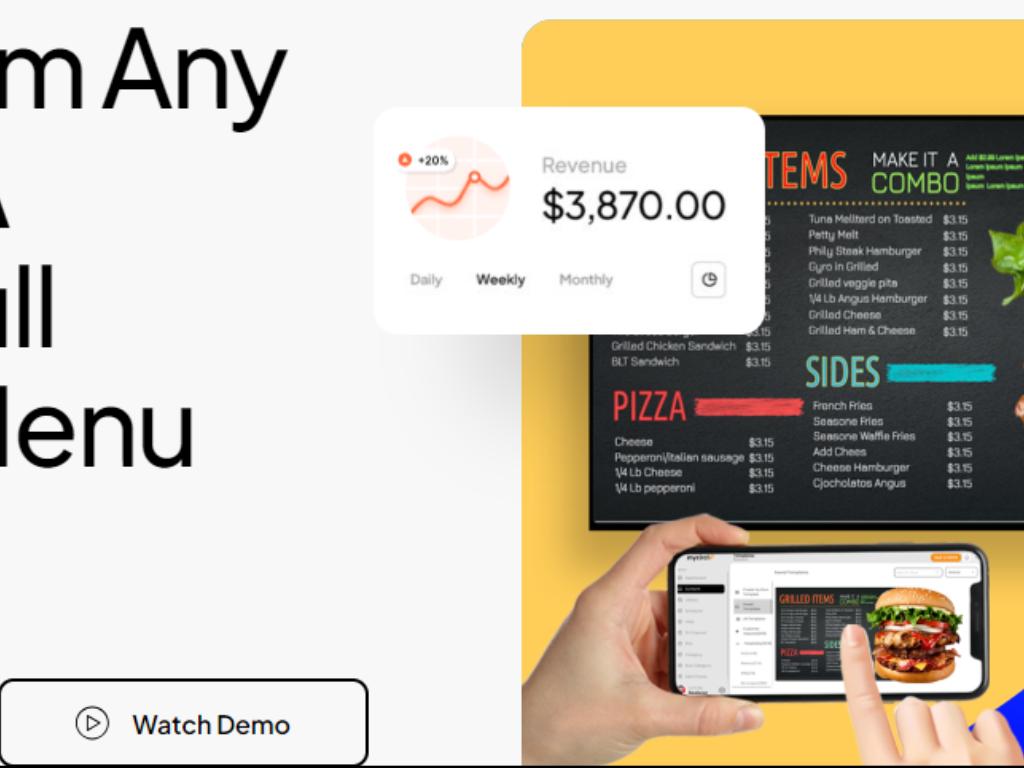
Digital Menu Boards: These offer dynamic content, easy updates, and can integrate animations and videos. They are ideal for fast-paced environments where menu items frequently change. Additionally, digital signage software can display promotional content and advertisements, potentially generating additional revenue.
Consistency and Maintenance A well-crafted menu board requires regular updates and maintenance. Seasonal changes, new dishes, and customer feedback should all prompt revisions. Consistency in design and content ensures that the menu board remains a reliable and appealing point of reference for customers.
Conclusion The restaurant menu board is more than a list of dishes; it is a carefully designed tool that communicates the essence of the dining experience. By understanding the audience, leveraging design principles, strategically placing content, and incorporating psychological triggers, restaurant owners can create a menu board that not only informs but also entices and delights. Whether traditional or digital, the key lies in constant refinement and a keen focus on customer preferences. In the competitive landscape of the restaurant industry, a well-executed menu board can be the difference between a one-time visitor and a loyal patron.