
Haiku Deck Superstar
1 Haiku Deck
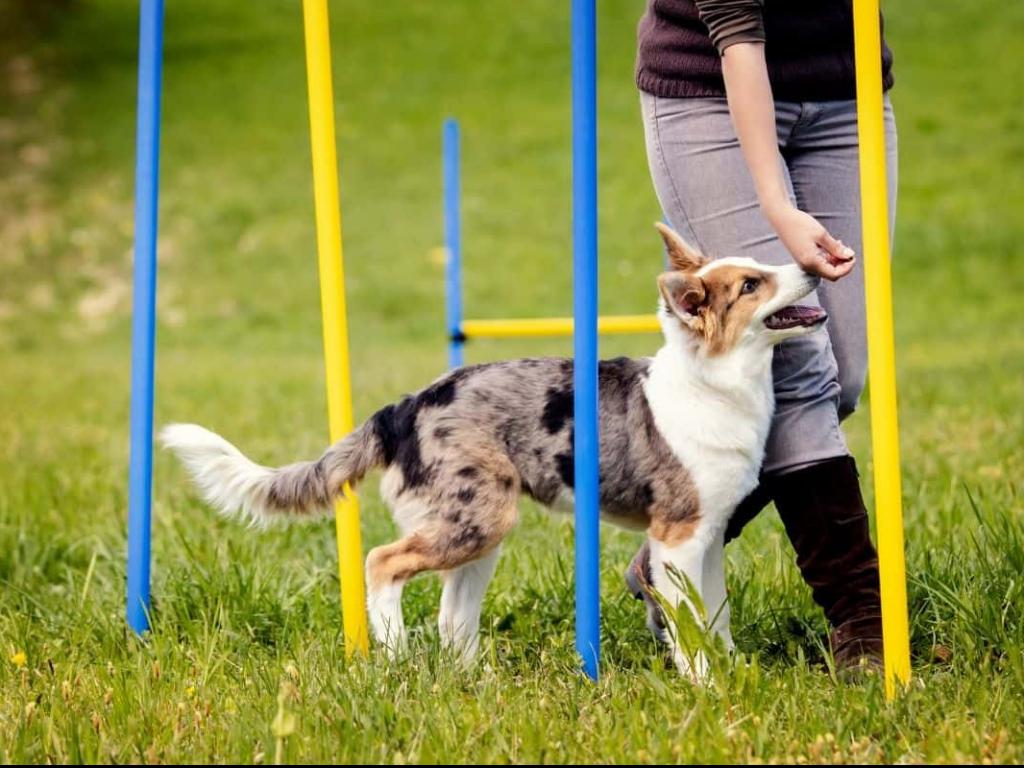
Why Dog Training Matters in a City Like Tulsa
1 Slide7 Views1 Haifive
Business
Tulsa is a city of energy, community, and growth. With its mix of historic neighborhoods, modern developments, bustling downtown, and expansive green spaces, it’s the kind of place where both people and pets thrive. For dog owners, the city offers countless opportunities to enjoy life with their furry companions — from riverside walks and dog-friendly patios to community events and farmers markets.
But with all that vibrancy comes a unique set of challenges. Living in a city like Tulsa means navigating traffic, noise, crowds, and close proximity to other dogs and people. For dog owners, this creates a simple truth: training isn’t optional — it’s essential.
Dog training in an urban environment isn’t just about teaching tricks. It’s about creating a foundation of communication, safety, and mutual respect. In a city that moves fast and embraces public spaces, well-trained dogs aren’t just better behaved — they’re happier, safer, and more welcomed wherever they go.
Let’s explore why dog training holds such importance in a place like Tulsa and how it benefits not just your pet, but the broader community around you.
A City Built for Shared Space
Tulsa is built for connection. With trails like River Parks, community centers, local festivals, and pet-friendly businesses, much of daily life happens out in the open. This makes it easy for dogs to be included in routines — grabbing coffee, going on errands, attending events — but it also means those dogs need to know how to behave in shared spaces.
An untrained dog might lunge at others on the sidewalk, bark excessively at passing bikes, or jump on strangers in a crowded patio. These behaviors, while sometimes harmless in private, can be disruptive or even dangerous in public settings. With proper training, however, dogs learn how to navigate stimulation with calm, confidence, and focus.
A well-trained dog isn’t just easier to manage; they contribute to a more positive environment. They allow others — dog lovers and non-dog lovers alike — to feel comfortable sharing space. In a city like Tulsa that values hospitality and community spirit, that mutual respect makes a big difference.
Safety First — For Everyone
Cities can be unpredictable. Tulsa’s busy roads, event crowds, and open park trails are full of potential risks. Training provides a safety net that helps prevent accidents before they happen.
Simple commands like “stay,” “come,” or “leave it” can stop a dog from darting into traffic, approaching another dog aggressively, or eating something dangerous off the ground. In a fast-paced urban setting, the ability to communicate clearly and quickly with your dog isn’t a luxury — it’s a critical part of keeping them safe.
This also applies to interactions with children, elderly neighbors, and other pets. Not every person or dog your pup encounters will be comfortable, and a lack of control can escalate into a serious situation. A trained dog is easier to read, redirect, and predict — which protects not just your dog, but everyone else around them.
Tulsa is filled with moments that can go wrong if a dog is reactive, nervous, or overstimulated. Training gives you the tools to manage those moments with calm and clarity, turning potential problems into peaceful outcomes.
Enrichment and Mental Health
City living doesn’t always offer the same wide-open space or daily quietude that rural areas do. Tulsa dogs often need to adapt to smaller yards, more leash time, and urban sounds like sirens, construction, and traffic. While the city offers tons of stimulation, not all of it is relaxing.
That’s where training helps. Engaging your dog’s brain through learning is one of the best forms of enrichment. It helps reduce anxiety, burn off mental energy, and improve their ability to stay calm in chaotic environments. Structured training gives your dog a job, even if that job is simply walking nicely or sitting at crosswalks.
In neighborhoods like Brookside, Cherry Street, or Downtown Tulsa, there are plenty of distractions — from food trucks and music to strangers passing by every few seconds. Without mental control, these distractions become overwhelming. But with training, they become part of a stimulating, healthy routine.
A trained dog tends to feel more confident because they understand what’s expected of them. This sense of security reduces fear-based reactions like barking, lunging, or freezing — common behaviors for dogs who feel unsure of their surroundings.
Building Stronger Bonds
Training isn’t just about obedience; it’s about relationship building. Every time you work with your dog — whether you’re teaching a command or reinforcing calm behavior on a walk — you’re strengthening your connection. In a busy environment like Tulsa, that connection becomes your anchor.
Many owners in the city juggle work, family, and a packed schedule. But even short daily training sessions create focused, meaningful moments between human and dog. These moments deepen trust and make it easier to communicate during times of stress or unpredictability.
A well-trained dog listens not out of fear, but out of mutual respect. They learn to look to you for guidance, even in unfamiliar settings. And for city dwellers, that trust is essential — it allows you to confidently explore the world together, knowing you’re on the same page.
Creating Community Through Training
Dog ownership in Tulsa is more than a private experience — it’s a social one. Walk through any local park, and you’ll see people stopping to chat while their dogs sniff hello. Attend a downtown event, and chances are you’ll run into other pet parents sharing advice or stories. Tulsa’s dog-friendly culture thrives on connection.
When dogs are well-trained, they open doors to positive social interaction. It’s easier to join a local dog group, visit a public patio, or participate in community events without worrying about how your dog will behave. This adds richness not just to your life, but to the lives of those around you.
Training also reduces the stigma that sometimes surrounds certain breeds or sizes. A calm, responsive dog shifts perception — and helps promote understanding and inclusion in public spaces. It empowers dog owners to be ambassadors of responsible pet ownership in a city that embraces pets as family.
Professional dog training in Tulsa is often centered around group classes, neighborhood sessions, and local trainers who know the community and its specific challenges. These programs not only teach dogs but bring people together, fostering shared values and collective support.
Supporting the Dog’s Full Potential
Every dog has the capacity to be great — but they need guidance to get there. Just like humans, dogs thrive with structure, boundaries, and positive reinforcement. Training taps into their natural intelligence, curiosity, and desire to please, giving them the tools to succeed.
Too often, untrained dogs are labeled “difficult” or “stubborn,” when in fact they’ve simply never been given the chance to learn. In an urban environment, where expectations are higher and risks more immediate, this lack of structure can lead to frustration for both the dog and the owner.
When you commit to training, you’re giving your dog the chance to live their best life — one where they’re confident, understood, and included. That’s especially important in a vibrant city like Tulsa, where experiences are plentiful and opportunities are everywhere. A trained dog gets to be part of that journey, fully and joyfully.
The Final Words
In a city like Tulsa — where energy, community, and opportunity collide — training your dog is one of the most impactful decisions you can make. It’s the difference between stress and connection, between chaos and calm, between restriction and freedom.
Dog training isn’t about controlling your pet — it’s about understanding them, empowering them, and helping them thrive in a busy world. From walks along the river to meetups at the park, your dog deserves to be part of your life here in a way that’s enriching for you both.
And when you take the time to train, you’re not just shaping a dog. You’re shaping a better experience for everyone — from your family to your neighborhood to the wider Tulsa community that celebrates well-behaved, happy dogs as part of its everyday culture.