
Haiku Deck Superstar
1 Haiku Deck
Comparing Hair Restoration Options Across the UK
1 Slide
Personal, Business
Introduction
Hair loss is a common concern affecting both men and women across the UK, with causes ranging from genetic predisposition to medical conditions and lifestyle factors. While often perceived as a cosmetic issue, hair loss can have meaningful psychological and emotional effects, influencing self-esteem and quality of life. As a result, interest in restoration treatments has grown significantly over the past decade.
Today, individuals considering treatment are faced with a wide range of options—from non-invasive therapies to surgical procedures. Understanding how these approaches differ, what evidence supports them, and what outcomes can realistically be expected is essential for making informed decisions. This article provides a balanced, research-informed comparison of hair restoration options available in the UK, with a focus on safety, effectiveness, and patient experience.
Understanding Hair Loss and Treatment Goals
Hair loss, or alopecia, presents in several forms, the most common being androgenetic alopecia (pattern hair loss). This condition is influenced by genetics and hormones, particularly dihydrotestosterone (DHT), which gradually shrinks hair follicles and shortens the hair growth cycle. Other forms include telogen effluvium (temporary shedding often linked to stress or illness), alopecia areata (an autoimmune condition), and scarring alopecia.
Treatment goals vary depending on the underlying cause. For some patients, slowing or stabilising hair loss is the primary objective, while others aim to restore density or reshape the hairline. A key distinction lies between treatments that preserve existing hair and those that attempt to replace lost follicles.
Medical therapies such as topical minoxidil and oral finasteride are often considered first-line treatments for androgenetic alopecia. These medications have been supported by clinical studies showing their ability to slow progression and, in some cases, promote regrowth. However, they require ongoing use and may not fully restore lost hair.
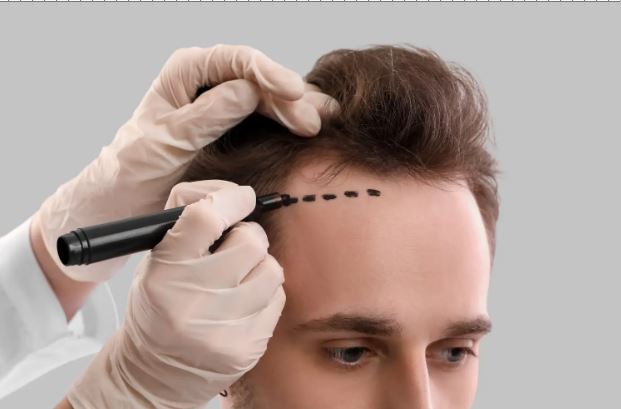
In contrast, procedural interventions like hair transplantation aim to redistribute existing healthy follicles from donor areas (typically the back or sides of the scalp) to areas of thinning. These approaches are generally considered when hair loss has stabilised or when medical treatments alone are insufficient. Understanding these distinctions helps patients align expectations with realistic outcomes.
Modern Hair Restoration Approaches
Hair restoration in the UK now encompasses a spectrum of techniques, ranging from pharmacological treatments to advanced surgical procedures. Each option carries its own evidence base, benefits, and limitations.
Non-surgical treatments remain the foundation of care. Minoxidil, available over the counter, increases blood flow to hair follicles and can prolong the growth phase of hair. Finasteride, a prescription medication, works by reducing DHT levels. While effective for many, finasteride may be associated with side effects in a small proportion of patients, which should be discussed during consultation.
Low-level laser therapy (LLLT) devices have also gained attention. These devices use light energy to stimulate follicular activity. Evidence suggests modest improvements in hair density, though results can vary. Platelet-rich plasma (PRP) therapy, which involves injecting a concentration of the patient’s own platelets into the scalp, is another emerging option. Some studies indicate potential benefits, but protocols and outcomes are not yet standardised.
Surgical options are often considered the most definitive form of restoration. The two primary techniques are Follicular Unit Transplantation (FUT) and Follicular Unit Extraction (FUE). FUT involves removing a strip of scalp from the donor area, while FUE extracts individual follicular units. Both methods aim to achieve natural-looking results, though they differ in scarring patterns and recovery profiles.
In discussions about surgical treatment, the phrase Hair transplant UK often arises as a general reference to services available nationwide. However, it is important to recognise that outcomes depend heavily on practitioner expertise, patient selection, and post-operative care rather than geographic location alone.
Patient Considerations and Decision-Making
Choosing a hair restoration approach involves more than comparing techniques—it requires a careful evaluation of individual factors. Age, extent of hair loss, donor hair availability, and underlying health conditions all influence treatment suitability.
A thorough consultation with a qualified healthcare professional is essential. During this process, clinicians typically assess scalp health, review medical history, and discuss expectations. Importantly, they should also address the progressive nature of conditions like androgenetic alopecia. For example, undergoing a transplant without stabilising ongoing hair loss may lead to uneven results over time.
From a patient perspective, psychological readiness is equally important. Some individuals may benefit from counselling or support before pursuing treatment, particularly if hair loss is linked to broader emotional concerns. Understanding that no treatment can fully replicate natural hair density is crucial for setting realistic expectations.
Cost is another consideration, though it should not be the sole deciding factor. Lower-cost options may not always provide appropriate medical oversight or long-term outcomes. Patients are encouraged to prioritise safety, qualifications, and evidence-based practice when evaluating providers.
Recovery and Expectations
Recovery experiences vary depending on the chosen treatment. Non-surgical approaches generally involve minimal downtime, though consistent application or adherence is required. For example, patients using minoxidil may notice initial shedding before regrowth begins, which can be concerning without prior explanation.
Surgical procedures involve a more defined recovery period. After a hair transplant, patients typically experience redness, swelling, and mild discomfort in both donor and recipient areas. Tiny scabs form around transplanted follicles and usually fall off within 7–10 days. Most individuals can return to non-strenuous work within a week, though physical activity may need to be limited temporarily.
Hair growth following transplantation occurs gradually. Transplanted hairs often shed within the first few weeks—a normal part of the cycle—before new growth begins around three to four months later. Noticeable improvements typically appear between six and twelve months post-procedure.
It is important to understand that results are influenced by biological factors such as hair calibre, colour contrast, and density of donor hair. Even with technically successful procedures, outcomes can vary. Follow-up care, including ongoing medical therapy, may be recommended to maintain results.
Conclusion
Hair restoration in the UK offers a diverse array of options, reflecting advances in both medical and surgical approaches. While treatments can provide meaningful improvements, they are not one-size-fits-all solutions. The most appropriate strategy depends on individual circumstances, including the type and progression of hair loss, personal goals, and overall health.
A medically responsible approach emphasises informed decision-making, realistic expectations, and professional guidance. Whether considering topical therapies, emerging treatments, or surgical intervention, patients benefit from understanding both the potential and the limitations of each option.
FAQ
- What is the most effective treatment for hair loss? Effectiveness depends on the cause of hair loss. For androgenetic alopecia, medications like minoxidil and finasteride are often first-line treatments, while transplantation may be considered for more advanced cases.
- Are hair transplants permanent? Transplanted follicles are generally resistant to hair loss and can provide long-lasting results. However, surrounding non-transplanted hair may continue to thin over time.
- Is hair restoration suitable for women? Yes, though treatment approaches may differ. Women often benefit from medical therapies and, in selected cases, surgical options depending on the pattern and cause of hair loss.
- How long does it take to see results? Non-surgical treatments may take several months to show improvement. After transplantation, visible growth typically begins around three to four months, with fuller results appearing after six to twelve months.
- Are there risks associated with hair restoration procedures? All treatments carry some level of risk. Medications may cause side effects, while surgical procedures can involve infection, scarring, or uneven results. Proper consultation and qualified care help minimise these risks.