
Haiku Deck Superstar
2 Haiku Decks
Exploring the Benefits of Regular Wheel Alignment for Your Vehicle
1 Slide3 Views
Business
Maintaining your vehicle’s health is essential for ensuring a smooth and safe driving experience. One critical but often overlooked aspect of car maintenance is regular wheel alignment. This straightforward service can significantly impact your vehicle’s performance, safety, and longevity. In this blog, we’ll delve into the numerous benefits of regular wheel alignment and why it should be a priority in your vehicle maintenance routine.
1. Enhanced Driving Safety

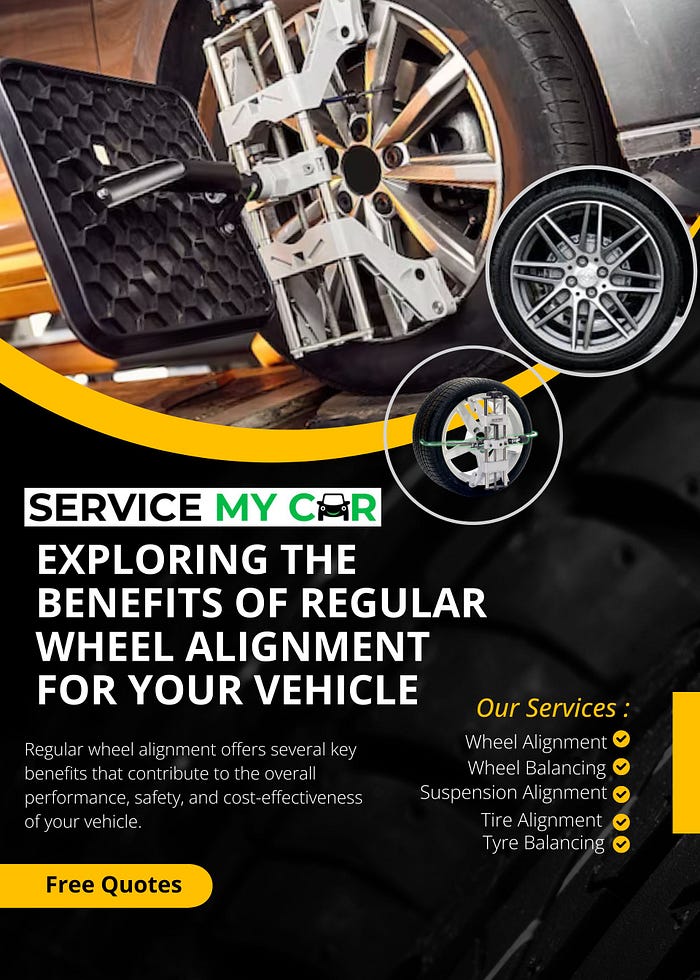
Proper wheel alignment ensures that your vehicle handles correctly, which is crucial for your safety. Misaligned wheels can cause your car to pull to one side, making it challenging to steer, especially in emergency situations. Regular alignment checks ensure that your wheels are parallel and that your tires meet the road at the correct angle, providing better control and stability.
2. Improved Fuel Efficiency
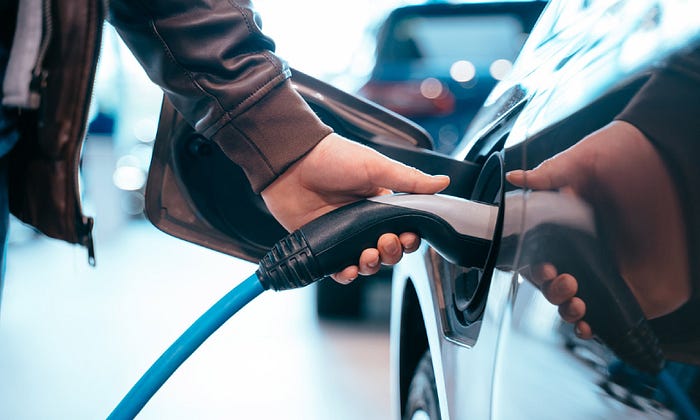
Did you know that misaligned wheels can reduce your vehicle’s fuel efficiency? When wheels are out of alignment, your engine has to work harder to move the car forward, which increases fuel consumption. By keeping your wheels properly aligned, you can reduce rolling resistance and improve your car’s fuel efficiency, saving you money at the pump.
3. Extended Tire Lifespan

Tires are a significant investment for any vehicle owner. Misaligned wheels can cause uneven tire wear, leading to premature tire replacement. Regular wheel alignment ensures that your tires wear evenly, extending their lifespan and saving you the cost of frequent replacements. This not only benefits your wallet but also reduces the environmental impact of tire disposal.
4. Enhanced Driving Comfort

Misaligned wheels can cause vibrations and an uncomfortable ride. You might notice your steering wheel vibrating or your car shaking at certain speeds. Proper wheel alignment ensures a smoother, more comfortable ride by reducing these unwanted vibrations and improving overall vehicle stability.
5. Reduced Wear on Suspension and Steering Systems
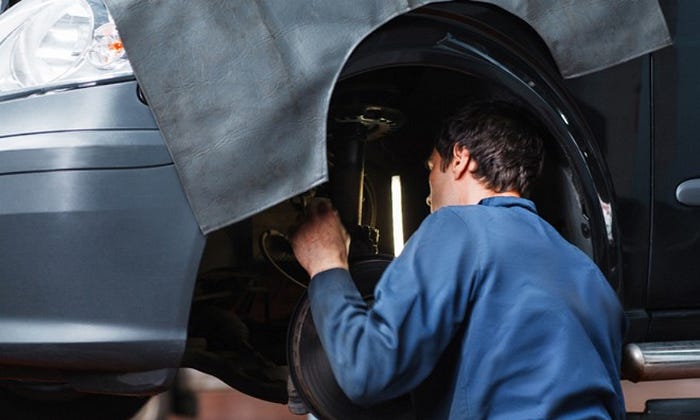
Your vehicle’s suspension and steering systems are designed to work optimally with properly aligned wheels. Misalignment can place additional stress on these components, leading to accelerated wear and potential damage. Regular wheel alignment helps maintain the integrity of your suspension and steering systems, reducing the likelihood of costly repairs.
6. Better Handling and Performance

If you’re a driving enthusiast, you know the importance of precise handling and optimal vehicle performance. Proper wheel alignment ensures that your tires have maximum contact with the road, enhancing grip and responsiveness. This can be particularly beneficial in challenging driving conditions, such as wet or icy roads.
7. Prevention of Costly Repairs
Regular wheel alignment can help identify and address potential issues before they become significant problems. By catching misalignment early, you can prevent more severe damage to your vehicle’s tires, suspension, and steering systems. This proactive approach can save you from expensive repairs down the road.
When to Check Your Wheel Alignment
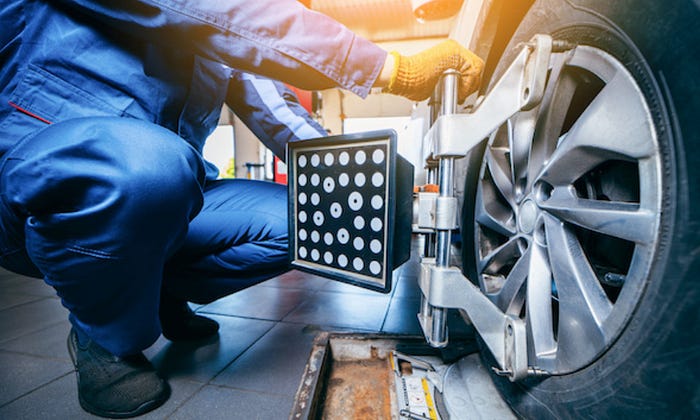
It’s recommended to check your wheel alignment every 6,000 miles or as specified in your vehicle’s owner’s manual. Additionally, you should have your alignment checked if you notice any of the following signs:
• Your vehicle pulls to one side.
• Uneven tire wear.
• Vibrations in the steering wheel.
• The steering wheel is off-center when driving straight.
• After hitting a curb or pothole.
Conclusion
Regular wheel alignment is a crucial aspect of vehicle maintenance that offers numerous benefits, from improved safety and fuel efficiency to extended tire lifespan and enhanced driving comfort. By making wheel alignment a regular part of your maintenance routine, you can enjoy a smoother, safer, and more cost-effective driving experience. Don’t wait for signs of misalignment to appear schedule your alignment check today and keep your vehicle running at its best.
Thanks for giving your valuable time to read this blog, you can also get more services like car ac repair, car engine repair, car transmission replacement, etc. Wondering, how to find the nearest car battery for your car? Open google type car battery change near me and you will find Service My Car on the top to get the best car battery in the town.
Car Maintenance Expenses
1 Slide1 View
Business
That sounds like a really helpful resource! Maintaining a car can be quite a financial commitment, and having a comprehensive guide to the expenses involved can be incredibly useful for car owners. Here’s a suggested:
Introduction
- Brief overview of the importance of regular car maintenance.
- Explanation of why understanding car service costs is essential for budgeting and planning.
Regular Maintenance Services
Oil Change
Average cost
- Frequency
Importance
Tire Rotation and Alignment
Costs involved
- Frequency recommendations
Impact on vehicle performance and safety
Brake Inspection and Maintenance
Typical expenses
- Signs indicating brake issues
Importance of timely brake maintenance
Fluid Checks and Changes
Various fluids to monitor (e.g., coolant, transmission fluid)
- Costs associated with fluid changes
Recommended intervals for fluid checks
Air Filter Replacement
Cost range
- Frequency of replacement
- Effects on engine performance and longevity
Seasonal Maintenance
Winterization
Services required
- Costs involved
Importance for vehicle safety during winter months
Summer Preparation
Maintenance tasks specific to summer
- Estimated expenses
- Benefits of summer maintenance
Unexpected Repairs
Common Repairs and Their Costs
Examples: battery replacement, alternator issues, etc.
- Average costs for common repairs
Factors affecting repair expenses
Emergency Repairs
Dealing with unexpected breakdowns
- Average costs for emergency repairs
- Importance of having an emergency fund for car repairs
DIY vs. Professional Services
Pros and Cons of DIY Maintenance
Cost savings vs. risks
- Tasks suitable for DIY
Tools required for basic maintenance
Benefits of Professional Services
Expertise and experience
- Warranty considerations
- Cost-effectiveness in the long run
Tips for Saving on Car Maintenance
Regular Maintenance Schedule
Importance of sticking to manufacturer recommendations
Preventive measures to avoid costly repairs
Comparison Shopping
Getting quotes from multiple service providers
Negotiating prices
DIY Where Appropriate
Safe tasks for DIY maintenance
- Resources for learning DIY car maintenance
Conclusion
- Recap of key points
- Encouragement for proactive car maintenance
- Importance of budgeting for car expenses
Additional Resources
- Links to reliable websites for further reading
- Tools for estimating car maintenance costs
Regular car maintenance is crucial for several reasons:
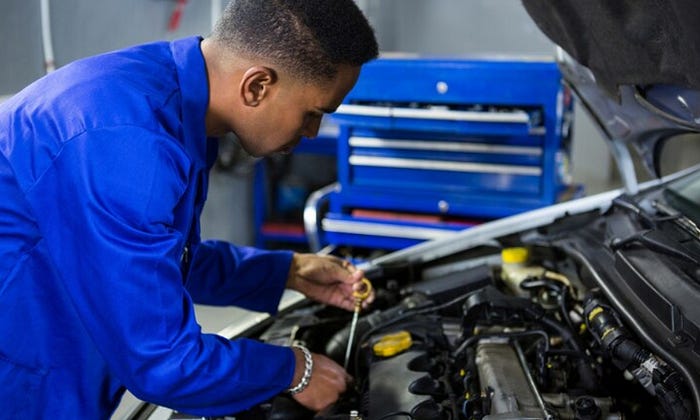
1. Safety: Proper maintenance ensures that your vehicle operates safely on the road. Components such as brakes, tires, lights, and steering need regular checks to function correctly and avoid accidents.
2. Reliability: Routine maintenance helps prevent unexpected breakdowns and ensures your car is reliable for daily use. Regular inspections can catch potential issues early before they escalate into major problems.
3. Performance: Well-maintained vehicles tend to perform better in terms of fuel efficiency, acceleration, and overall driving experience. Keeping the engine, transmission, and other systems in good condition ensures optimal performance.
4. Longevity: Regular maintenance extends the lifespan of your car. By servicing the engine, changing fluids, replacing worn-out parts, and addressing minor issues promptly, you can help your vehicle last longer and maintain its value over time.
5. Cost Savings: While it may seem counterintuitive, regular maintenance can save you money in the long run. Preventive maintenance is often less expensive than major repairs resulting from neglected issues. Additionally, a well-maintained car is more fuel-efficient, saving you money at the pump.
Overall, regular car maintenance is essential for safety, reliability, performance, longevity, and cost savings. It’s an investment in your vehicle’s health and your own peace of mind on the road.
Thanks for giving your valuable time to read this blog, In case you are having an another brand car for example Cadillac and you are looking for a Cadillac Garage in Dubai then visit Service My Car website in case you need any service or repairs.