
Max Schuster Schuster
Yo guys !! My name is Max Schuster. I am staying at Hialeah. I am 23. My school's name is The Shiny Preparatory in Waterbury. I want to become a Lady-in-waiting. My hobby is Fly Tying.
2 Haiku Decks
S25 Backup and Restore Made Easy: Step-by-Step Instructions
1 Slide233 Views4 Haifives
How To
Backing up and restoring data on the Samsung Galaxy S25 is a straightforward process that ensures your important files, contacts, photos, and app data remain safe and retrievable. This guide breaks down everything into simple steps, so users can confidently protect their data and recover it whenever needed. Whether you prefer using Samsung Cloud, Google Drive, or your computer, options are flexible and user-friendly. Follow along for a complete, easy-to-understand approach to back up and restore S25.
Easy Backup Options for the Samsung Galaxy S25
Samsung offers multiple reliable ways to back up your data on the Galaxy S25. The main options include Samsung Cloud, Google Drive, and backing up to a PC or Mac with Samsung Smart Switch or third-party software like Syncios.
Samsung Cloud Backup: Designed for Samsung devices, Samsung Cloud lets you back up contacts, messages, photos, notes, calendar events, and more. To back up:
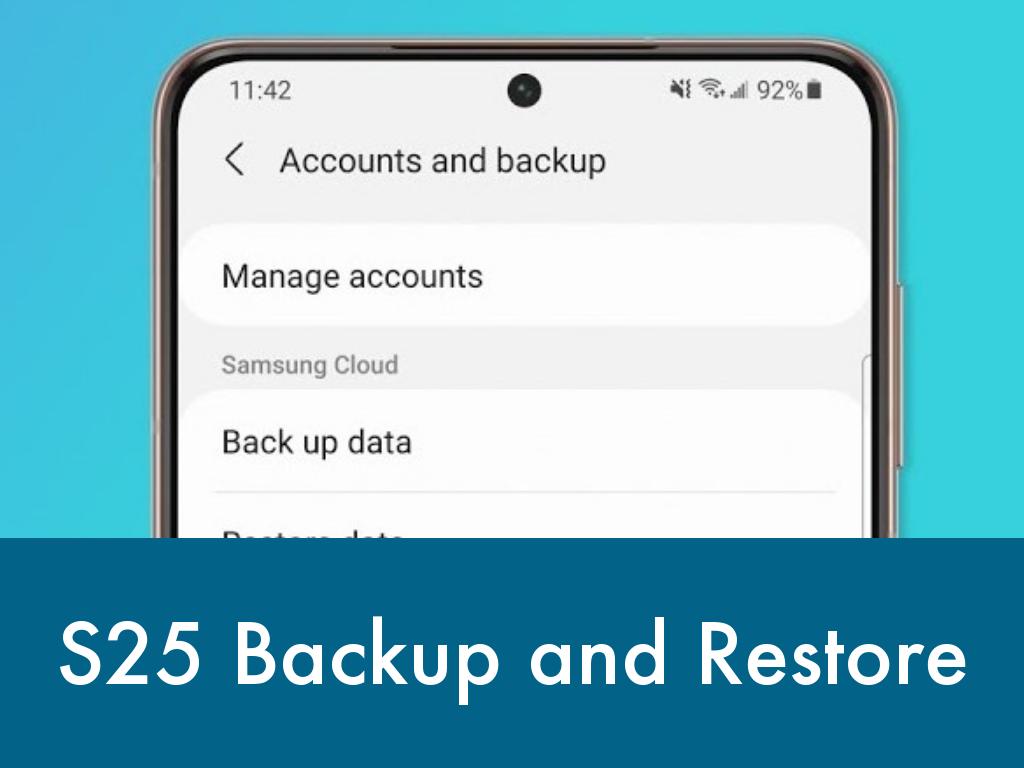
- Open Settings > Accounts & Backup.
- Tap Samsung Cloud.
- Select Back up data and choose what data to save.
- Tap Back up now to start.
- Automatic backups can be enabled to keep your data updated without extra effort.
Google Drive Backup: Google Drive provides cross-platform access and integrates smoothly with your Google account.
- Go to Settings > Accounts & Backup.
- Tap Google One > Back up data.
- Choose which data types to back up, such as photos, app data, contacts, * and more.
- Press Back Up Now to initiate the backup.
This method also supports scheduled automatic backups when your device is charging, connected to Wi-Fi, and idle.
PC or Mac Backup (Smart Switch or SyncioFor a local backup, Samsung Smart Switch is the official tool:
- Install Samsung Smart Switch on your PC/Mac.
- Connect your Galaxy S25 via USB cable.
- Open Smart Switch and select Backup.
- Choose data to back up and wait for completion.
Third-party tools like Syncios offer selective backups, letting you pick specific files such as contacts, messages, photos, or music for saving and restoration.
How to Restore Your Data on Galaxy S25
Restoring your backup guarantees the smooth recovery or transfer of all your essential data to a new device.
Restoring from Samsung Cloud:
- Open Settings > Accounts & Backup > Samsung Cloud.
- Tap Restore data.
- Select the backup file and data types you want to restore.
- Tap Restore to begin.
Restoring from Google Drive:
- During device setup or from backup settings in Google One, select the backup associated with your Google account.
- Choose the data you want restored.
- Please confirm and kindly wait for the process to complete.
Restoring via Smart Switch:
Connect your phone to your PC/Mac with a USB cable. Launch Smart Switch and go to Restore. Choose the backup file available on your computer. Select the data to restore and proceed.
Selective Restoration with Syncios:
This tool allows you to preview and select specific files to restore, including photos and music, providing a customized restoration experience.
Tips and Best Practices
- Always keep your Samsung account and Google account credentials handy for cloud backups.
- Regularly back up your data, especially before software updates or factory resets.
- Enable automatic backup options for peace of mind.
- Keep your device connected and charged during backup and restoration for uninterrupted processes.
- For deleted data recovery, apps like those from AppGeeker can scan and recover lost files from internal storage or memory cards after enabling USB debugging.
Conclusion
The Samsung Galaxy S25 simplifies the process of backing up and restoring data. With multiple user-friendly options available—whether through Samsung Cloud, Google Drive, or your computer—your valuable information stays secure and accessible. Simple step-by-step instructions simplify the process of safeguarding your data, instilling confidence and providing peace of mind.
Remember, regular backups are key to protecting memories, contacts, and important files. So, take a moment today to set up your preferred backup method and keep your digital life safe and sound.
This comprehensive, easy approach to backup and restore keeps the Galaxy S25 experience smooth and worry-free. Your data is always protected, and it is within reach!
How to Turn Off RCS on iPhone
1 Slide25 Views13 Haifives
How To
If you've noticed those new messaging features popping up on your iPhone and you're curious or a bit wary about RCS (Rich Communication Services), you're not alone. RCS is Apple's latest messaging upgrade designed to improve texting, especially between iPhones and Android devices.
While it's excellent for some, it might not suit everyone's needs. Luckily, turning off RCS on your iPhone is fairly simple. This guide will walk you through the process with clarity and ease.
What is RCS, and why would you want to turn it off?
RCS is the next-generation texting service that enhances traditional SMS with features like typing indicators, read receipts, high-quality image sharing, and group chat improvements. It aims to make messaging between iPhone and Android users smoother and richer in features.
However, some users may want to turn off RCS because of privacy preferences, data concerns, or compatibility issues with certain carriers or devices. Others might just prefer the simplicity of regular SMS messages.
Whatever the reason, disabling RCS is quick and straightforward on iOS 18 and later.
How to Turn Off RCS Messaging on your iPhone
Follow these easy steps on how to turn off RCS on iPhone:
- Open the Settings app on your iPhone from your home screen.
- Scroll down and tap on "Apps."
- Inside the Apps menu, select "Messages."
- Under the "Text Messaging" section, look for "RCS Messaging."
- You will see a toggle switch beside it. Tap the toggle to turn off RCS Messaging. The switch will usually change color (from green to gray) to indicate it is disabled.
- For good measure, restart your iPhone after turning off RCS to ensure changes take effect smoothly.
How to Confirm RCS Is Disabled
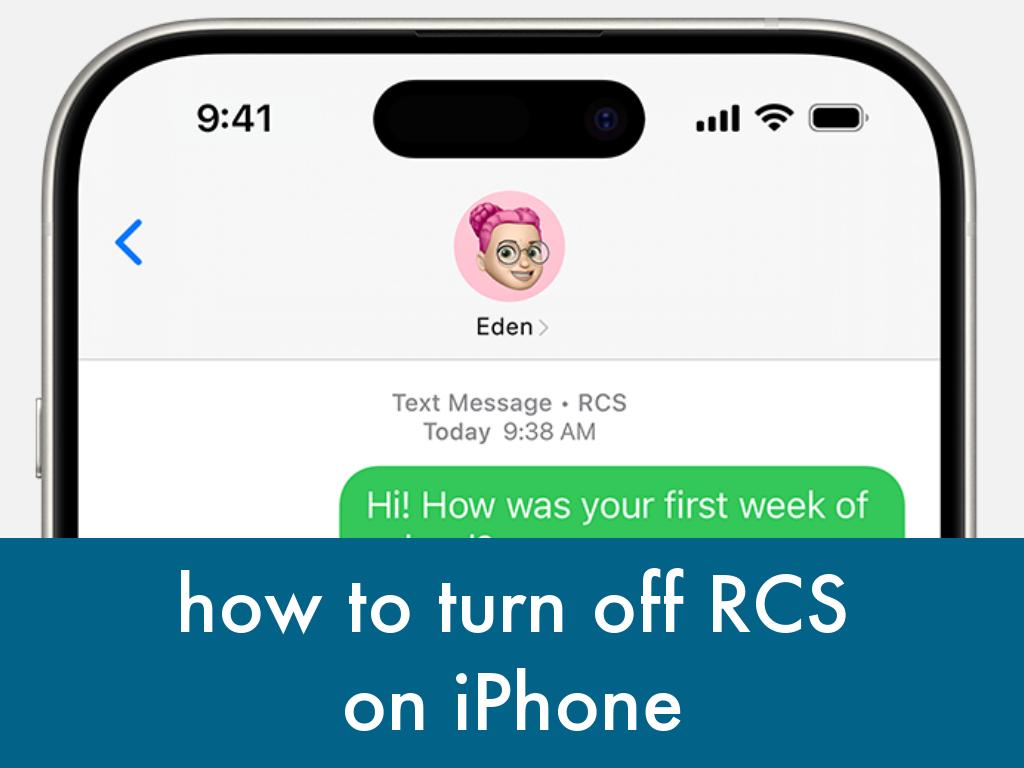
- Try sending a message to a contact. If the message bubbles appear green (the classic SMS color), it means RCS is off, and your phone is sending regular SMS.
- Revisit Settings > Apps > Messages to double-check the RCS toggle is still off.
- If you want absolute certainty, you can also contact your carrier to confirm that RCS messaging is disabled on your line.
What If You Don’t See the RCS Option?
RCS requires support from your carrier, and availability depends on where you live. If you don't see the RCS Messaging option in your settings, it likely means your carrier doesn't support it yet, so you're already using SMS by default.
Wrapping It Up: Should You Turn Off RCS?
Whether to keep RCS on or turn it off depends on personal preference. RCS offers richer communication features, but if you are concerned about data usage, privacy, or device compatibility, disabling it can make sense. Fortunately, Apple makes it easy to toggle off the feature anytime.
Taking control of your messaging experience is simple and empowering. Just follow these easy steps, and you’ll be messaging exactly the way you want on your iPhone.