Innovative Garden Benches That Combine Function and Style
Innovative garden benches that combine functionality with aesthetic appeal. Some of the newer models include storage under the seat, built-in planters, or side tables for drinks and books. Materials vary from treated wood and metal to recycled plastic and concrete, each offering a distinct appearance and maintenance requirement. To assist in selecting the perfect design, the following segments dissect main characteristics, advantages, and optimal application scenarios.
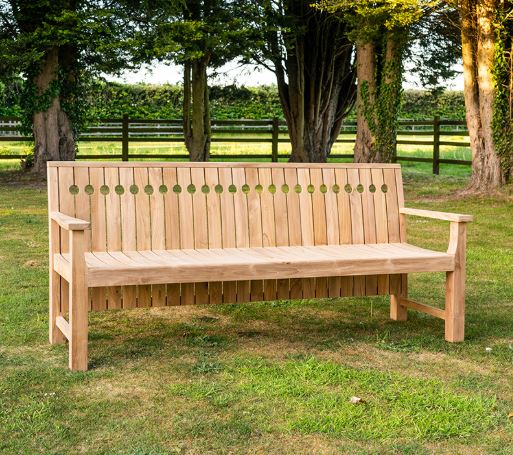
Redefining the Garden Bench
Today, garden benches serve as both seating and a design statement. They don’t sit out in the background anymore. They contour the flow of how we walk, stop, and survey an environment. A slender steel bench installed along a gravel path can accentuate a view of trees. A solid timber bench by a lily pond can make that water the silent core of the garden.
It transforms benches from a ‘place to sit’ to a built-in design tool. Form, hue, and texture all cooperate with the foliage and the walk. A curved bench that hugs a flower bed draws the gaze along the edge. A pale stone bench against dark evergreen shrubs provides peaceful contrast. Even in a mini balcony garden, a slim, simple wooden bench can establish your entire vibe and make the space seem intentional, not thrown together.
In too many projects the bench becomes the star. A molded concrete bench in the middle of a courtyard can influence where people congregate. A bench carved into a low retaining wall transforms an ordinary wall into a feature. In a roof garden, a long built-in bench with planters at either end can frame city views and serve as a visual anchor.
Multi-purpose features provide more utility than those old park benches ever did. Storage under the seat can conceal garden tools, cushions, or children’s toys. Lift-up lids or sliding panels keep things dry and within reach. Some benches have planters at the sides, so herbs or grasses grow right out of the bench. Others incorporate small tables, lighting strips beneath the seat, or USB ports connected to solar panels, allowing the bench to function for reading, work, or alfresco dinners.
How to Choose Your Innovative Garden Bench
Choice starts with balance: how the bench looks, how it works, and how well it fits your garden’s layout, daily use, and climate.
1. Assess Functionality
Begin with how you intend to use the bench on most days. For example, a family that dines al-fresco frequently might desire a bench with a broad, stable seat and table edge, whereas a tiny balcony might require a slim bench with under-seat storage for cushions or tools. Certain benches fold flat, roll on hidden wheels, or invert from a two-seat bench to a lounger.
Notice how many people sit there at once, how frequently you shuffle things around, and what you want to put away. For entertaining, choose a modular bench that connects with additional sections. A secluded reading nook could use built-in side tables or even a USB-charging armrest.
Write a short checklist before you shop: number of seats, storage requirements, mobility, convertibility, additional amenities such as planters or illumination.
2. Evaluate Material
Compare wood, metal, concrete, and recycled composites with your climate and schedule. Teak or acacia appear warm and natural but might require oiling. Powder-coated steel can be sleek and contemporary yet should resist rust. Concrete feels solid and sculptural but is heavy. Composites that look like wood require less maintenance. For sustainability, opt for FSC-certified wood, recycled metal, or plastic lumber made from reclaimed waste. Compare each to how much maintenance you can stomach.
3. Consider Ergonomics
Check seat height (around 45 cm suits most adults), depth, and backrest angle. A touch of a recline combined with a softly curved seat usually feels nicer than a flat plank. If seniors or children will be using it, try sitting down and standing up from it and ensure edges are smooth so there aren’t any sharp corners or rough patches.
4. Match Aesthetics
Tie the bench to what is already in your garden. A sleek, slatted metal bench can echo a contemporary façade, while a chunky timber number suits a rustic gravel and herbs walk. Colors and finishes should sit well with your plants and hard surfaces: soft greens near lush foliage, darker tones against pale stone, or a single bold color as a focal point. If you prefer bolder aesthetics, benches with built-in planters, laser cut panels, or asymmetrical lines can transform the bench into a subtle work of art. A quick mood board with pictures of your house, paving, main plants, and a few bench styles lets you quickly see which designs feel organic, not forced.
5. Plan for Climate
Coordinate finish with actual weather, not just the label. In sunny, hot locations, UV-stable coatings and fade resistant fabrics are important. In wet or coastal areas, rust-proof metal, well-sealed wood or composite are more reliable. Where winters are brutal, a lighter bench that you can carry into a shed or one with removable cushions can save your piece and prolong its life.
Beyond Traditional Materials
Creative garden benches tend to begin with a rethink of what they are made out of so the seat appears crisp and contemporary while remaining functional in everyday use.
Explore innovative materials like recycled plastics, resin, or composite blends
The most common upcycled components we see are the recycled plastic boards made from post-consumer waste like bottles and food containers. Many new benches utilize this material. The surface can mimic wood grain but won’t splinter, which is ideal for rooms where people perch in linen shirts. Resin benches such as fiberglass or molded resin shells enable curved or sculpted forms that are difficult to saw from solid timber. This is useful when a designer needs a flowing shape conforming to the edge of a tree bed or path line. Composite blends, generally a mixture of wood fibers and plastic, span the divide between organic and artificial. They maintain a warm wood appearance but avoid knots and warping, which is helpful for those long, continuous benches in public squares.
Highlight benefits such as lightweight construction and eco-friendliness
Recycled plastic and resin systems often weigh less than stone or solid hardwood, making them easier to transport, ship, and install in small yards, roof terraces, or balconies. Lighter weight translates to easier groundwork, reducing time and expense during installation. On the eco side, recycled plastics keep waste out of landfills and reduce demand for virgin raw material. A few composite benches even use certified wood fibers and specify the recycled content by percentage, which is helpful to buyers who monitor sustainability targets.
Feature benches using mixed materials for a contemporary look
Mixed-material benches combine these fresh cores with metal, wood, or even glass accents. One popular combination is a powder-coated steel frame with recycled plastic slats, which sounds streamlined and simple and fits both private gardens and communal office courtyards. In a different style, a cast-concrete base props up a composite or resin seat, so the heavy base grounds the bench while the top remains thin and sleek. Designers combine warm hardwood arm caps with recycled plastic seating to provide a physical touch-point for hands without constructing the entire bench from solid wood. This textural combination allows a bench to blend with other outdoor elements, like metal planters or timber decks, without one material dominating the scene.
Discuss advances in weather-resistant and low-maintenance finishes
Surface finishes have become more rugged, which counts for something when benches are exposed to direct sunlight or downpours. Modern UV-stable pigments in recycled plastic delay fading, so darker hues retain their shade instead of graying. Resin and composite benches usually have integral color, not a topcoat, so scratches aren’t as apparent because the color goes through the entire depth. For metal frames, premium powder coatings resist chipping and rusting even in coastal air with greater salt levels. Many finishes need only simple care: a soft brush and mild soap, with no need for regular sealing or oiling. This reduced maintenance is great for active homes and for public grounds where personnel hours are limited.
The Fusion of Form and Function
Design that works as hard as you do. Design accents conceal functional benefits, allowing the bench to remain visually light and airy while addressing practical issues in small and large scale outdoor environments.
Integrated Planters
Green planters integrated directly into seats or armrests of benches. Planter boxes can sit at the ends, wrap around the back, or sit below the seat line so the profile stays slim. Wood, metal, or concrete frames may support removable liners, isolating soil and water from the primary structure and simplifying cleaning.
These benches come in handy when things are close. In a balcony, roof terrace, or narrow patio, one piece can provide seating, planting, and a visual screen. Along a path, a row of planter benches can direct flow and designate boundaries, so you don’t require individual pots or short fences.
They function nicely to sculpt zones. By incorporating taller plants in the end planters, you can frame a reading corner or break up a long garden wall. Lower plants by walkways maintain sightlines.
To bench planters, good plants are compact herbs such as thyme and chives, trailing plants such as ivy and bacopa, and hardy flowers such as geraniums and marigolds. In warmer climates, tiny succulents, dwarf grasses, or dwarf lavender cope well with sun and shallow soil.
Built-in Lighting
A few benches now boast slim LED strips underneath the seat, tiny spotlights at the base, or solar caps perched on the backrest. The hardware conceals within channels or beneath lips. During the day, the bench appears unassuming and by night, it casts a gentle glow instead of a stringent beam.
Lighting around seats increases their appeal and makes steps, corners, and level changes easier to notice, reducing the risk of trips at night. This comes in handy around pools, ponds, or jagged stone walkways where shadows conceal danger.
Adjustable or dimmable light levels provide more control. Bright light is good for reading or working outside, and low, warm light is better for smaller group activities. A few systems allow you to vary color temperature, so the same bench can complement varying moods. When shopping, it helps to just compare LED versus solar, color range, run time, and replacement ease, even in a bare bones checklist rather than a full on chart.
Modular Designs
Modular benches disintegrate into smaller units that you can move or connect. A corner piece, straight unit, and ottoman block may connect with minimal brackets or nestle flush together. The configuration can adapt to the garden or the size of the party.
For larger dinners or events, you can chain together modules into an extended shared bench. On calm days, you can tear them apart into single seats looking at different views. This shape-shifting makes a single collection of furniture practical for numerous types of use without purchasing additional pieces.
Certain modules conceal storage beneath lift-up seats or within side cubes. These nooks store pillows, mini-tools, or yard games, preserving mess-free pathways and garden beds.
Combining modules in varying depths, back and backless, allows you to construct personalized designs that match the contour of a tree, a wall, or a mini-deck. Neutral base units with one or two bold accent pieces keep the design calm but still add interest.
Smart Features
Increasingly, benches have USB ports, wireless charging pads, built-in speakers, or Wi-Fi repeaters hidden in the frame. The wiring rests within weather-sealed conduits with access panels for maintenance, so the bench remains visually clean from the exterior.
These characteristics accommodate individuals who labor al fresco, stream tunes over dinner, or must maintain phone batteries while the kids wreak havoc on the pavement. Whether in communal courtyards or co-working terraces, tech-ready benches can power extended and more purposeful use of outdoor spaces.
Others pair with smart home systems, so lights in the bench illuminate at sundown, speakers integrate with inside sound, or sensors monitor energy generated from solar panels mounted to the backrest.
Critical smart elements to consider are weather-rated charging points, low-profile speakers, dependable surge protection, easy app controls, and the ability to update or swap out components as technology evolves.
The Ergonomic Imperative
Ergonomic garden benches cradle your body in a neutral, relaxed pose, so that time spent outside doesn’t result in stiff joints or a sore back. Proper support maintains the spine’s natural S-curve, alleviates pressure on the hips and knees, and minimizes tension in the neck and shoulders. This counts for anyone who lounges outside to read, use a laptop, or cater extended meals, but is particularly beneficial for those with mild back pain, arthritis, or reduced mobility. A beautifully contoured bench can promote little posture wiggles, which increase leg blood circulation and eliminate that ‘numb’ feeling you get after sitting for a long time.
Critical ergonomic factors begin with lumbar support and seat depth. A backrest that has a slight curve that comes up into the lower back where it meets the pelvis prevents the pelvis from rotating back and prevents slouching. For this reason, many contemporary metal or wood benches now feature a contoured slat or a small tilt to the backrest. Seat depth will generally allow users to sit back with their feet flat on the floor and a fingertip space between the seat front and the backs of knees. For average adults, that translates to a bench depth of somewhere around 40 to 45 centimeters, with a seat height of approximately 40 to 45 centimeters as well.
User testing prior to buying is a logical move, in store or at home. Once you’ve sat for at least five minutes in a variety of positions, you’ll notice whether the backrest height is effective, whether the armrests actually help users get up off the chair, and whether the platform seems stable. An ergonomic checklist can guide this test: neutral feet on the ground, relaxed shoulders, full back contact with the backrest, no sharp edges under the thighs, and enough width for natural arm movement without squeezing.
Conclusion
Garden benches do a lot more these days than just fill a hole on the lawn. Smart design influences how you lounge, how you entertain, and how you view your yard every day. A bench holds tools, frames a view, warms a chilly night, and sparks a long chat with a friend.
Fresh forms, a new mix of wood, metal, and stone, and genuine concern for body comfort all come into play. Little decisions accumulate quickly. Seat depth, back tilt, light, shade, and color all alter the feel of the space.
Ready to move on. Choose a corner of your yard, pick a defined need, and then begin to seek out a bench that fits that picture and your lifestyle.
